
News
VENO NEWS: Matters Arising as Nigeria’s Komolafe Leads AFRIPERF ×Turning Vision Into Execution
Date: 10-10-25
By Moses Dan
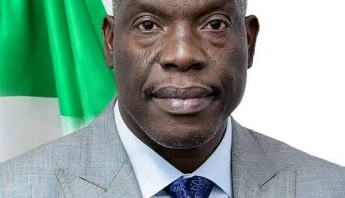
When Gbenga Komolafe, chief executive of the Nigerian Upstream Petroleum Regulatory Commission (NUPRC), assumed the role of interim chairman of the newly launched African Petroleum Regulators Forum (AFRIPERF), many across the continent’s oil and gas sector hailed it as a watershed moment. His elevation was not just a personal milestone but a recognition of Nigeria’s growing influence in shaping the governance of Africa’s energy future. Yet, even as praise pours in, questions linger about capacity, politics, and the sustainability of the project.
The launch and charter-signing of AFRIPERF took place on September 18, 2025, during Africa Oil Week in Accra, Ghana. Sixteen African countries participated, and eight of them — including Nigeria, Ghana, Somalia, Gambia, Madagascar, Sudan, Guinea, and Togo — formally endorsed the AFRIPERF Charter. Seven others pledged to join after domestic consultations. Komolafe was unanimously selected as interim chairman, a role that effectively positions Nigeria at the forefront of continental oil and gas regulation.
The forum’s objective is ambitious but urgent: to harmonise petroleum laws, standards, and regulatory practices across Africa. Over the decades, differences in national legislation, fiscal regimes, and licensing procedures have discouraged cross-border investments and weakened collective bargaining power. AFRIPERF is conceived to bridge those divides by creating a platform for knowledge exchange, peer review, and regional cooperation.
According to its charter, AFRIPERF will operate through an Executive Committee of national regulators, a Technical Committee of industry experts, and a rotating Secretariat to coordinate activities among member states. The framework builds on Nigeria’s earlier leadership in regulatory reform under the Petroleum Industry Act (PIA) of 2021.
Komolafe, who first proposed the idea of a continental regulatory network in 2023, has long argued that Africa must “own its resources with efficiency and integrity” rather than compete in isolation. The Abuja Declaration, introduced during Nigeria Oil and Gas Week in 2024, laid the philosophical foundation for AFRIPERF — emphasising transparency, environmental responsibility, and collaboration. The Accra meeting in 2025 marked the institutional birth of that vision.
The symbolism is significant. Nigeria remains one of Africa’s most experienced hydrocarbon producers, and its reform-driven regulatory commission has been widely seen as a model of post-PIA transformation. Komolafe’s emergence as the forum’s interim head therefore reinforces the view that Nigeria can export regulatory expertise in addition to crude oil.
Nigeria’s Reformist Reputation Meets Continental Expectations
Komolafe’s tenure at NUPRC offers clues about what to expect from his new continental assignment. Since assuming office, he has pushed reforms to digitise upstream licensing, streamline approvals, strengthen host community engagement, and curb oil theft through tighter metering systems. Under his leadership, the Commission has prioritised data transparency, community participation, and gas monetisation — themes that resonate with AFRIPERF’s founding principles.
But moving from national regulation to continental coordination is an entirely different challenge. Africa’s oil-producing nations operate under vastly different fiscal models, political pressures, and institutional capacities. Some have mature frameworks with digital monitoring systems; others still rely on paper records and manual audits. Aligning these disparities will test both Komolafe’s diplomatic skill and the credibility of the new forum.
In a statement issued on Monday, the Pan-African Regulatory Excellence Forum (PAREF), an industry think tank, commended Komolafe’s appointment as “a fitting recognition of Nigeria’s reform trajectory and the strength of his leadership.” The statement, signed by its executive director, Dr Aisha Njoroge, described the AFRIPERF chairmanship as “an opportunity to turn the rhetoric of regional cooperation into measurable results”.
According to her, “The success of AFRIPERF will depend not on the size of its membership but on the quality of its deliverables. It must demonstrate practical value by harmonising gas measurement standards, emissions regulations, and digital compliance systems. Otherwise, it risks becoming another talk shop”.
Dr Njoroge urged the interim chair to prioritise inclusivity and transparency in early decisions, ensuring that smaller or less-resourced countries are not marginalised. “Regulatory convergence should not become regulatory domination,” she added.
Beyond institutional design, several issues now dominate the agenda. The first is capacity disparity. Many African regulators lack technical manpower, laboratory infrastructure, and stable funding. Without a plan for shared resources or training exchanges, the forum could reinforce existing inequalities. The second is the question of authority. AFRIPERF’s recommendations are currently advisory, not binding, which may limit their impact unless member states voluntarily adopt harmonised frameworks.
Another pressing challenge is financing. Sustaining the forum will require predictable revenue — either through member dues, donor partnerships, or cost-sharing arrangements. Overreliance on external funding, especially from Western partners with decarbonisation agendas, could tilt priorities away from Africa’s own developmental needs.
There is also the matter of political independence. Regulators in several countries remain vulnerable to executive interference, particularly during licensing rounds and fiscal negotiations. Komolafe’s reputation for professionalism and non-partisanship at NUPRC will be critical in keeping AFRIPERF free from political capture.
The Road Ahead for Africa’s Energy Governance
Meanwhile, energy transition pressures loom large. Global investment in fossil fuels is tightening amid climate-related restrictions, yet Africa still relies on hydrocarbons for more than 70 per cent of government revenue in producing countries. AFRIPERF will need to navigate this paradox — promoting efficiency and environmental stewardship while defending the continent’s right to exploit its resources responsibly.
For Komolafe, the ultimate test will be turning vision into execution. The first set of deliverables expected from AFRIPERF include harmonised reporting templates for production data, a regional petroleum data repository, and shared capacity-building programmes for regulatory staff. Progress on these fronts will determine whether the forum becomes a genuine platform for transformation or fades into the background of African bureaucracy.
In his remarks at the Accra signing ceremony, Komolafe was clear about his priorities. “This is not just about creating another institution,” he said. “It is about aligning Africa’s regulatory systems with the demands of a new global energy order — one that rewards transparency, innovation, and sustainability.” He pledged that under his leadership, the forum would set measurable goals and enforce accountability through peer review.
Nigeria’s oil reforms have already strengthened its domestic regulatory identity. If Komolafe can translate that momentum into continental cooperation, AFRIPERF could become a defining institution for Africa’s late-oil era — a forum that speaks with one voice in global energy diplomacy while setting common rules for its own internal market.
But ambition alone will not suffice. The forum’s success depends on political will across capitals, not just the competence of its chairman. Africa has seen many grand alliances fade for lack of sustained follow-through. As one senior industry observer put it, “Komolafe’s leadership gives AFRIPERF credibility; now it must earn legitimacy.”
The months ahead will reveal whether Nigeria’s stewardship can turn this continental experiment into a lasting framework for energy governance. For now, the mood within the sector is one of cautious optimism — and a growing sense that, at least this time, Africa’s regulators might finally be speaking the same language.
Dan is an oil and gas expert writing from Port Harcourt.
Date: 10-10-25
By Moses Dan
When Gbenga Komolafe, chief executive of the Nigerian Upstream Petroleum Regulatory Commission (NUPRC), assumed the role of interim chairman of the newly launched African Petroleum Regulators Forum (AFRIPERF), many across the continent’s oil and gas sector hailed it as a watershed moment. His elevation was not just a personal milestone but a recognition of Nigeria’s growing influence in shaping the governance of Africa’s energy future. Yet, even as praise pours in, questions linger about capacity, politics, and the sustainability of the project.
The launch and charter-signing of AFRIPERF took place on September 18, 2025, during Africa Oil Week in Accra, Ghana. Sixteen African countries participated, and eight of them — including Nigeria, Ghana, Somalia, Gambia, Madagascar, Sudan, Guinea, and Togo — formally endorsed the AFRIPERF Charter. Seven others pledged to join after domestic consultations. Komolafe was unanimously selected as interim chairman, a role that effectively positions Nigeria at the forefront of continental oil and gas regulation.
The forum’s objective is ambitious but urgent: to harmonise petroleum laws, standards, and regulatory practices across Africa. Over the decades, differences in national legislation, fiscal regimes, and licensing procedures have discouraged cross-border investments and weakened collective bargaining power. AFRIPERF is conceived to bridge those divides by creating a platform for knowledge exchange, peer review, and regional cooperation.
According to its charter, AFRIPERF will operate through an Executive Committee of national regulators, a Technical Committee of industry experts, and a rotating Secretariat to coordinate activities among member states. The framework builds on Nigeria’s earlier leadership in regulatory reform under the Petroleum Industry Act (PIA) of 2021.
Komolafe, who first proposed the idea of a continental regulatory network in 2023, has long argued that Africa must “own its resources with efficiency and integrity” rather than compete in isolation. The Abuja Declaration, introduced during Nigeria Oil and Gas Week in 2024, laid the philosophical foundation for AFRIPERF — emphasising transparency, environmental responsibility, and collaboration. The Accra meeting in 2025 marked the institutional birth of that vision.
The symbolism is significant. Nigeria remains one of Africa’s most experienced hydrocarbon producers, and its reform-driven regulatory commission has been widely seen as a model of post-PIA transformation. Komolafe’s emergence as the forum’s interim head therefore reinforces the view that Nigeria can export regulatory expertise in addition to crude oil.
Nigeria’s Reformist Reputation Meets Continental Expectations
Komolafe’s tenure at NUPRC offers clues about what to expect from his new continental assignment. Since assuming office, he has pushed reforms to digitise upstream licensing, streamline approvals, strengthen host community engagement, and curb oil theft through tighter metering systems. Under his leadership, the Commission has prioritised data transparency, community participation, and gas monetisation — themes that resonate with AFRIPERF’s founding principles.
But moving from national regulation to continental coordination is an entirely different challenge. Africa’s oil-producing nations operate under vastly different fiscal models, political pressures, and institutional capacities. Some have mature frameworks with digital monitoring systems; others still rely on paper records and manual audits. Aligning these disparities will test both Komolafe’s diplomatic skill and the credibility of the new forum.
In a statement issued on Monday, the Pan-African Regulatory Excellence Forum (PAREF), an industry think tank, commended Komolafe’s appointment as “a fitting recognition of Nigeria’s reform trajectory and the strength of his leadership.” The statement, signed by its executive director, Dr Aisha Njoroge, described the AFRIPERF chairmanship as “an opportunity to turn the rhetoric of regional cooperation into measurable results”.
According to her, “The success of AFRIPERF will depend not on the size of its membership but on the quality of its deliverables. It must demonstrate practical value by harmonising gas measurement standards, emissions regulations, and digital compliance systems. Otherwise, it risks becoming another talk shop”.
Dr Njoroge urged the interim chair to prioritise inclusivity and transparency in early decisions, ensuring that smaller or less-resourced countries are not marginalised. “Regulatory convergence should not become regulatory domination,” she added.
Beyond institutional design, several issues now dominate the agenda. The first is capacity disparity. Many African regulators lack technical manpower, laboratory infrastructure, and stable funding. Without a plan for shared resources or training exchanges, the forum could reinforce existing inequalities. The second is the question of authority. AFRIPERF’s recommendations are currently advisory, not binding, which may limit their impact unless member states voluntarily adopt harmonised frameworks.
Another pressing challenge is financing. Sustaining the forum will require predictable revenue — either through member dues, donor partnerships, or cost-sharing arrangements. Overreliance on external funding, especially from Western partners with decarbonisation agendas, could tilt priorities away from Africa’s own developmental needs.
There is also the matter of political independence. Regulators in several countries remain vulnerable to executive interference, particularly during licensing rounds and fiscal negotiations. Komolafe’s reputation for professionalism and non-partisanship at NUPRC will be critical in keeping AFRIPERF free from political capture.
The Road Ahead for Africa’s Energy Governance
Meanwhile, energy transition pressures loom large. Global investment in fossil fuels is tightening amid climate-related restrictions, yet Africa still relies on hydrocarbons for more than 70 per cent of government revenue in producing countries. AFRIPERF will need to navigate this paradox — promoting efficiency and environmental stewardship while defending the continent’s right to exploit its resources responsibly.
For Komolafe, the ultimate test will be turning vision into execution. The first set of deliverables expected from AFRIPERF include harmonised reporting templates for production data, a regional petroleum data repository, and shared capacity-building programmes for regulatory staff. Progress on these fronts will determine whether the forum becomes a genuine platform for transformation or fades into the background of African bureaucracy.
In his remarks at the Accra signing ceremony, Komolafe was clear about his priorities. “This is not just about creating another institution,” he said. “It is about aligning Africa’s regulatory systems with the demands of a new global energy order — one that rewards transparency, innovation, and sustainability.” He pledged that under his leadership, the forum would set measurable goals and enforce accountability through peer review.
Nigeria’s oil reforms have already strengthened its domestic regulatory identity. If Komolafe can translate that momentum into continental cooperation, AFRIPERF could become a defining institution for Africa’s late-oil era — a forum that speaks with one voice in global energy diplomacy while setting common rules for its own internal market.
But ambition alone will not suffice. The forum’s success depends on political will across capitals, not just the competence of its chairman. Africa has seen many grand alliances fade for lack of sustained follow-through. As one senior industry observer put it, “Komolafe’s leadership gives AFRIPERF credibility; now it must earn legitimacy.”
The months ahead will reveal whether Nigeria’s stewardship can turn this continental experiment into a lasting framework for energy governance. For now, the mood within the sector is one of cautious optimism — and a growing sense that, at least this time, Africa’s regulators might finally be speaking the same language.
Dan is an oil and gas expert writing from Port Harcourt.
LINKS
- VENO tv: ENTERTAINMENT CÉLINE DION RETURNS TO STAGE AFTER SIX YEARS- VENO tv: FOREIGN NEWS TRUMP: AMERICA WILL NEVER FORGET VICTIMS OF 9/11 ATTACKS, 25 YEARS AFTER
- VENOtv POLITICS HEROIC WELCOME AS UDOEDEHE ARRIVES UYO AHEAD OF ADC 2027 CAMPAIGNS
- VENO tv: BUSINESS INVEST IN NIGERIA’S FUTURE: SUBSCRIBE TO DANGOTE REFINERY IPO THROUGH FIRSTBANK
- VENO tv: FROM THE PULPIT “DON’T LET YOUR ACHIEVEMENTS LIFT YOUR SHOULDERS IN PRIDE” — OMO OBA JESU DECLARES
- VENO tv: ENTERTAINMENT FAST-RISING ACTRESS PEJU AJIBOYE OPENS UP ON HER JOURNEY, LATEST MOVIE OJA EMI
- VENO TV FEATURE WHY YOU SHOULDN’T MISS FIRSTBANK’S AGRIC AND EXPORT EXPO 2026
- VENO tv: HOSPITALITY AMBER HOSPITALITY LAUNCHES IN LAGOS “Amber Feels Like Family”
- VENO tv FOREIGN NEWS CARGO PLANE CRASHES AT MIAMI AIRPORT Five Killed As Investigation Continues
- VENO tv Business FirstBank Empowers SMEs with Practical Sales Strategies at Upcoming SMEConnect Webinar
- VENO tv | AROUND TOWN ADELEKE JETS OUT ON VACATION, ORDERS PROBE INTO KOKA OBASHIP DISPUTE
- FROM THE PULPIT SUNDAY TONIC TURN BACK TO GOD AS SOON AS POSSIBLE — Pastor Princess Venisa Ojo a.k.a Omo Oba Jesu
- VENO TV: AROUND TOWN OBI, KWANKWASO JOIN AMAECHI FAMILY FOR MOTHER’S FUNERAL EVENTS
- VENO TV FOREIGN NEWS:IRAN–US WAR ESCALATES: WEDDING STRIKE VICTIMS BURIED AS TEHRAN RETALIATES
- VENO TV FOREIGN NEWS U.S. MINT RELEASES NEW $1 COIN FEATURING PRESIDENT TRUMP
- VENO TV: CJPAN MOURNS MEDIA ICON, SOLKEM …Says His Passion for Journalism, Excellence and Recognition of Outstanding Nigerians Will Remain an Enduring Legacy
- VENO TV: FEATURE OGOGO’S DEATH: ILARO CHIEF IMAM — AN EXEMPLARY LEADER
- VENO TV: POLITICS 2027: “SUBSIDY IS GONE” VS “SUBSIDY WILL RETURN” Tinubu: “Subsidy is gone.” Atiku Abubakar: “I will restore subsidy.”
- VENO TV EDITORIAL AS PRESIDENT TINUBU BEGINS THREE-WEEK EUROPE VACATION Shettima Was Away in Angola — What a Country!
- VENO tv: ENTERTAINMENT REGINA DANIELS REPORTEDLY RETURNS TO NED NWOKO’S MATRIMONIAL HOME
Page 1 of 68 [Next] [Last Page]