
News
VENO NEWS: K1’s Airport Incident — Power Play or Misunderstanding?
Date: 08-08-25
By ComradeOla
The recent drama at the airport involving King Wasiu Ayinde Marshal, popularly known as Kwam 1, has stirred intense debate across Nigeria. Many have been quick to describe it as “arrogance of the highest order” — a celebrity’s show of power against due process. But when we examine the full chain of events, the picture becomes more layered than the headlines suggest.
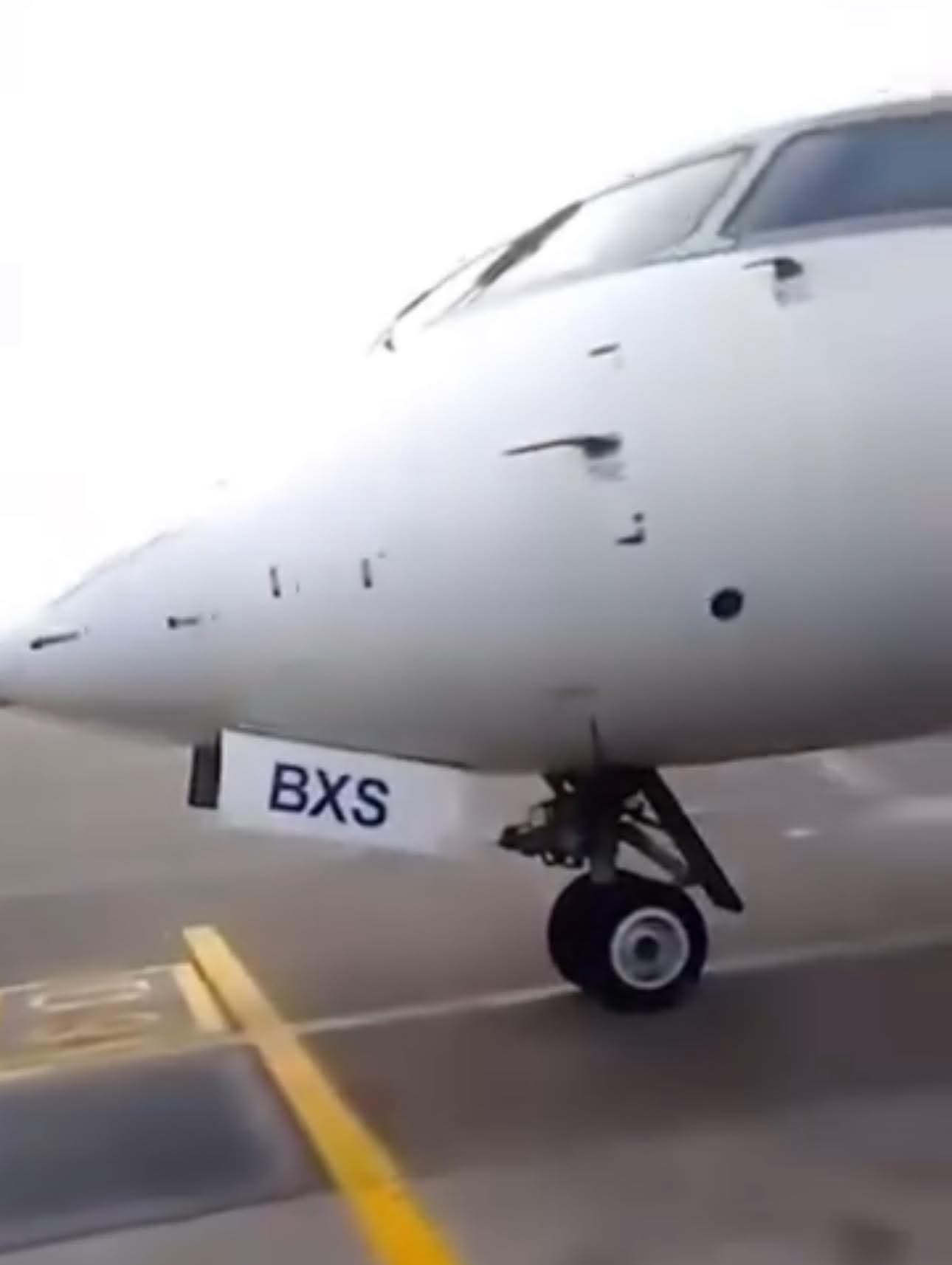
It began when the Federal Airports Authority of Nigeria (FAAN) alleged that Kwam 1 boarded a ValueJet flight carrying alcohol in a flask — a breach of aviation rules. According to their account, he refused to surrender the container when challenged, and in the ensuing exchange, the content spilt on a staff member. The incident quickly escalated, and before long, videos surfaced, showing the fuji star walking on the tarmac near the aircraft as it prepared for departure. The proximity was so close that the plane’s movement could have ended in tragedy.
ValueJet suspended both the captain and co-pilot after the National Civil Aviation Authority (NCAA) found that the aircraft had begun taxiing without proper clearance. Aviation safety rules demand that a plane must remain stationary until the area is clear of all persons, regardless of the provocation. This was a breach that endangered lives — including that of Kwam 1 himself.
Kwam 1’s camp, however, strongly refuted FAAN’s claims. They insisted the flask contained only water, not alcohol, and that the narrative of defiance was exaggerated to tarnish his image. According to his spokesperson, top officials from FAAN, NCAA, and ValueJet later apologised for the incident and even offered him a private jet to complete his journey — an offer he declined.
The controversy leaves two competing interpretations. On one hand, if Kwam 1 knowingly disregarded airport protocols, his actions could rightly be seen as an unnecessary show of influence and disregard for safety. On the other hand, the formal apologies from key authorities, combined with the disciplinary action taken against the pilots, suggest that this was not a simple case of celebrity arrogance but a mutual failure of communication and procedure.
Ultimately, what happened at that airport was not just about one man’s power or ego. It was a clash of authority, safety standards, and public perception. In an environment where rules must be sacrosanct to protect lives, both passengers and crew have a duty to act with restraint and professionalism — no matter their status or reputation.
Date: 08-08-25
By ComradeOla
The recent drama at the airport involving King Wasiu Ayinde Marshal, popularly known as Kwam 1, has stirred intense debate across Nigeria. Many have been quick to describe it as “arrogance of the highest order” — a celebrity’s show of power against due process. But when we examine the full chain of events, the picture becomes more layered than the headlines suggest.
It began when the Federal Airports Authority of Nigeria (FAAN) alleged that Kwam 1 boarded a ValueJet flight carrying alcohol in a flask — a breach of aviation rules. According to their account, he refused to surrender the container when challenged, and in the ensuing exchange, the content spilt on a staff member. The incident quickly escalated, and before long, videos surfaced, showing the fuji star walking on the tarmac near the aircraft as it prepared for departure. The proximity was so close that the plane’s movement could have ended in tragedy.
ValueJet suspended both the captain and co-pilot after the National Civil Aviation Authority (NCAA) found that the aircraft had begun taxiing without proper clearance. Aviation safety rules demand that a plane must remain stationary until the area is clear of all persons, regardless of the provocation. This was a breach that endangered lives — including that of Kwam 1 himself.
Kwam 1’s camp, however, strongly refuted FAAN’s claims. They insisted the flask contained only water, not alcohol, and that the narrative of defiance was exaggerated to tarnish his image. According to his spokesperson, top officials from FAAN, NCAA, and ValueJet later apologised for the incident and even offered him a private jet to complete his journey — an offer he declined.
The controversy leaves two competing interpretations. On one hand, if Kwam 1 knowingly disregarded airport protocols, his actions could rightly be seen as an unnecessary show of influence and disregard for safety. On the other hand, the formal apologies from key authorities, combined with the disciplinary action taken against the pilots, suggest that this was not a simple case of celebrity arrogance but a mutual failure of communication and procedure.
Ultimately, what happened at that airport was not just about one man’s power or ego. It was a clash of authority, safety standards, and public perception. In an environment where rules must be sacrosanct to protect lives, both passengers and crew have a duty to act with restraint and professionalism — no matter their status or reputation.
LINKS
- VENO tv: ENTERTAINMENT CÉLINE DION RETURNS TO STAGE AFTER SIX YEARS- VENO tv: FOREIGN NEWS TRUMP: AMERICA WILL NEVER FORGET VICTIMS OF 9/11 ATTACKS, 25 YEARS AFTER
- VENOtv POLITICS HEROIC WELCOME AS UDOEDEHE ARRIVES UYO AHEAD OF ADC 2027 CAMPAIGNS
- VENO tv: BUSINESS INVEST IN NIGERIA’S FUTURE: SUBSCRIBE TO DANGOTE REFINERY IPO THROUGH FIRSTBANK
- VENO tv: FROM THE PULPIT “DON’T LET YOUR ACHIEVEMENTS LIFT YOUR SHOULDERS IN PRIDE” — OMO OBA JESU DECLARES
- VENO tv: ENTERTAINMENT FAST-RISING ACTRESS PEJU AJIBOYE OPENS UP ON HER JOURNEY, LATEST MOVIE OJA EMI
- VENO TV FEATURE WHY YOU SHOULDN’T MISS FIRSTBANK’S AGRIC AND EXPORT EXPO 2026
- VENO tv: HOSPITALITY AMBER HOSPITALITY LAUNCHES IN LAGOS “Amber Feels Like Family”
- VENO tv FOREIGN NEWS CARGO PLANE CRASHES AT MIAMI AIRPORT Five Killed As Investigation Continues
- VENO tv Business FirstBank Empowers SMEs with Practical Sales Strategies at Upcoming SMEConnect Webinar
- VENO tv | AROUND TOWN ADELEKE JETS OUT ON VACATION, ORDERS PROBE INTO KOKA OBASHIP DISPUTE
- FROM THE PULPIT SUNDAY TONIC TURN BACK TO GOD AS SOON AS POSSIBLE — Pastor Princess Venisa Ojo a.k.a Omo Oba Jesu
- VENO TV: AROUND TOWN OBI, KWANKWASO JOIN AMAECHI FAMILY FOR MOTHER’S FUNERAL EVENTS
- VENO TV FOREIGN NEWS:IRAN–US WAR ESCALATES: WEDDING STRIKE VICTIMS BURIED AS TEHRAN RETALIATES
- VENO TV FOREIGN NEWS U.S. MINT RELEASES NEW $1 COIN FEATURING PRESIDENT TRUMP
- VENO TV: CJPAN MOURNS MEDIA ICON, SOLKEM …Says His Passion for Journalism, Excellence and Recognition of Outstanding Nigerians Will Remain an Enduring Legacy
- VENO TV: FEATURE OGOGO’S DEATH: ILARO CHIEF IMAM — AN EXEMPLARY LEADER
- VENO TV: POLITICS 2027: “SUBSIDY IS GONE” VS “SUBSIDY WILL RETURN” Tinubu: “Subsidy is gone.” Atiku Abubakar: “I will restore subsidy.”
- VENO TV EDITORIAL AS PRESIDENT TINUBU BEGINS THREE-WEEK EUROPE VACATION Shettima Was Away in Angola — What a Country!
- VENO tv: ENTERTAINMENT REGINA DANIELS REPORTEDLY RETURNS TO NED NWOKO’S MATRIMONIAL HOME
Page 1 of 68 [Next] [Last Page]